Wealth Introduction: A New Kind of Wealth
What if you could build a portfolio that’s as good for the planet as it is for your pocket?
For years, investors have been told they had to choose. Either go after profits in traditional markets, or “do good” through impact funds that sometimes felt more like charity than investment. That split—profit on one side, purpose on the other—has shaped how most people think about investing.
But what if you didn’t have to choose at all? What if there was an asset that could grow wealth, keep your portfolio stable, and actually leave the world in better shape than you found it?
That’s where farmland comes in. It isn’t abstract. It isn’t a hype-driven gamble. It’s ground that grows food, holds value, and creates lasting returns—all while playing a role in a more sustainable future.
Farmland: A Tangible Asset with Intrinsic Value
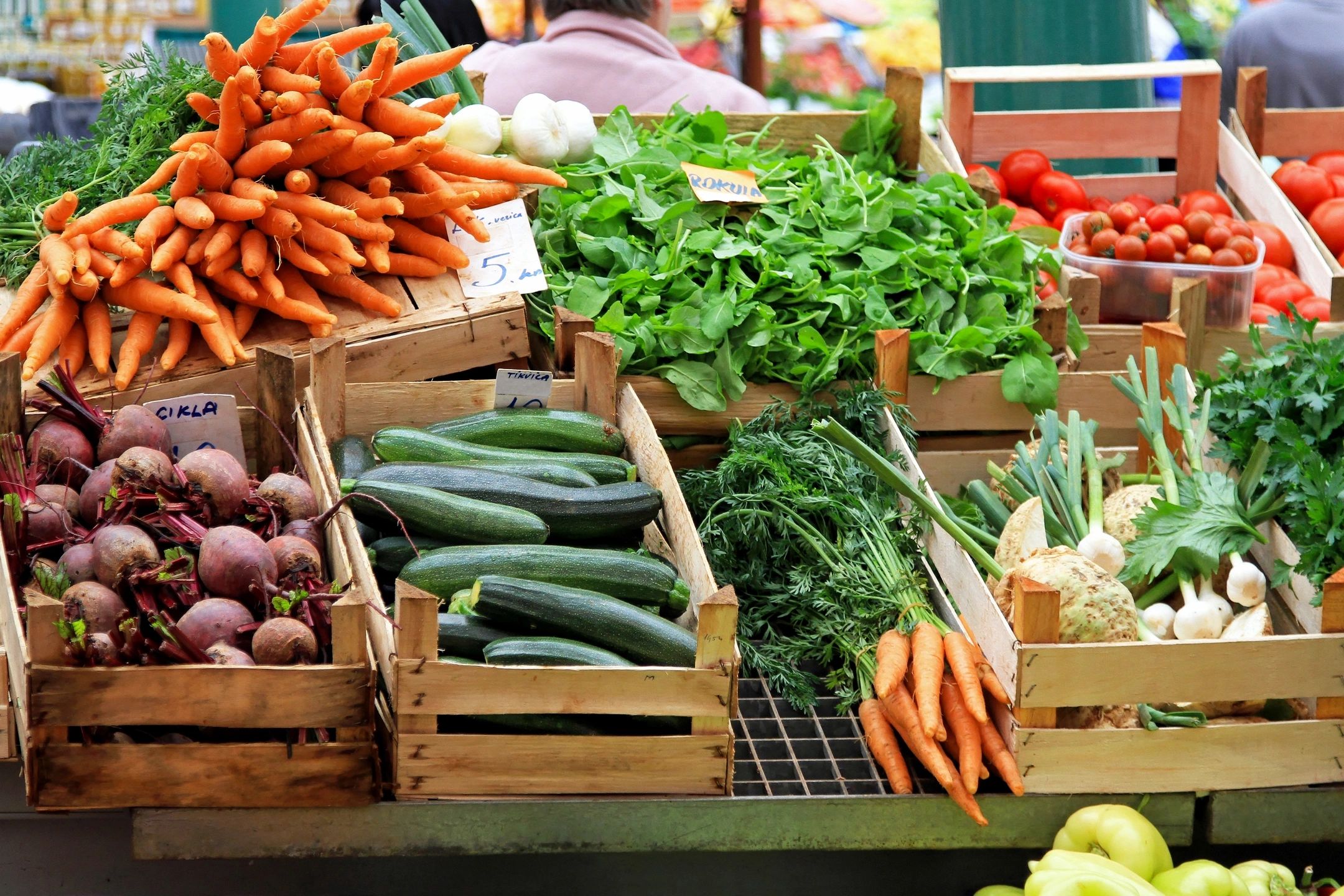
Farmland has something most assets don’t: a built-in purpose. It grows the food we all depend on. That simple fact gives it staying power. While stocks rise and fall on headlines, farmland keeps producing—and that’s what makes it such a steady store of value.
Here’s a number that surprises people: since the early ‘90s, U.S. farmland has averaged about 11% returns per year. The S&P 500? Around 9.6%. Quietly, farmland has been outpacing Wall Street—without the noise, the charts, or the stomach-churning drops.
Picture an almond orchard. Each year, the trees produce harvests that generate income. Meanwhile, the value of the land itself edges higher. Two returns in one—steady cash flow plus appreciation—from an asset you can actually walk on.
And here’s something else worth remembering: farmland is finite. No one is making more of it. Cities keep spreading, climate change puts pressure on resources, and land use keeps shifting. In fact, we’re losing farmland every year. When something is both essential and limited, it tends to hold its value.
That’s why big players—pension funds, endowments, even billionaires—have been buying farmland quietly for decades. Not because it’s flashy. Because it works.
A Natural Hedge Against Inflation and Economic Shocks
Now let’s talk about inflation. It eats away at savings. Bonds drag. Stocks get shaky. But farmland? It often does the opposite.
Iowa State research backs it up: when prices rise, farmland values often rise with them. Groceries get more expensive, and so does the land that grows them.
And history makes the case even stronger. Remember 2008? Housing collapsed. Stocks tanked. But farmland? It barely flinched. Farmers kept farming. Harvests kept coming in. Investors kept collecting checks while everyone else was watching markets fall apart.
That’s why a lot of people call farmland a “portfolio stabilizer.” It doesn’t panic when everything else does.
And it’s not just about the past. Think about the last couple of years when inflation spiked. Grocery bills climbed higher and higher, and farmland values climbed right alongside them. That’s not an accident—it’s baked into the asset.
Investing with Purpose: Building Wealth That Lasts
Here’s the part that makes farmland stand out even more. It’s not just about the returns—it’s about how those returns are made.
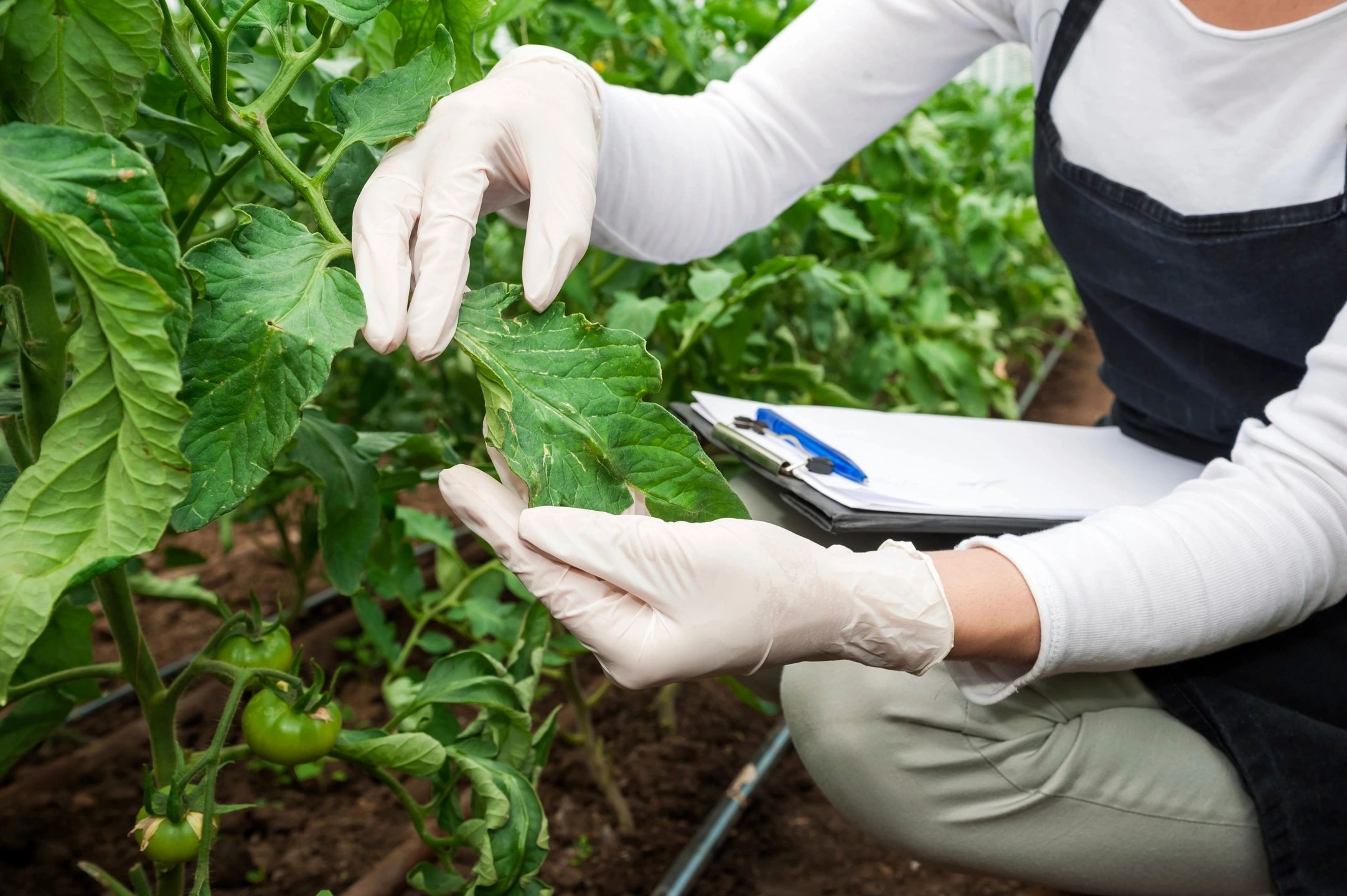
Some farming practices strip the land: heavy chemicals, wasted water, soil that gets weaker every year. Others do the opposite. Crop rotation. Smarter irrigation. Taking care of the soil. Those practices aren’t just good for the planet—they’re what keep farms healthy and profitable over the long run.
One farmer put it to me in a way I’ll never forget: “If I treat the soil right, my kids inherit a business. If I don’t, they inherit a problem.” That’s why sustainability in farmland isn’t marketing fluff—it’s risk management. It protects the farm and the investors behind it.
For people who care about where their money goes, this is a rare sweet spot. You’re not choosing between making money and doing good. You get both.
Accessibility and Diversification Benefits
A common pushback is: “Sounds great, but isn’t farmland only for the wealthy?” And for a long time, yeah—it was. Families passed it down through generations. Institutions scooped it up. Regular investors were locked out.
That’s not the case anymore. Platforms like Gro.Estate let anyone buy into farmland without owning an entire property or managing it themselves. You don’t need millions. You don’t need to know how to run a farm. Professionals handle the day-to-day operations. Investors benefit from the returns.
And diversification? That’s where farmland really earns its place in a portfolio. It doesn’t move with stocks or bonds. It has its own drivers—global food demand, weather, commodity markets. That means when the rest of your portfolio zigs, farmland often zags.
It doesn’t replace stocks or bonds, but it balances them. For investors looking to smooth out volatility, that’s invaluable.
How to Start Without Overthinking It
So maybe you’re wondering: “Okay, but how do I actually try this?” The truth is, it’s simpler than most people think.
Start by browsing a platform like Gro.Estate. Scroll through the listings. See what crops are being grown, what the minimums are. Just looking at real opportunities makes it click.
Then dig a little deeper. Don’t just skim the return projections. Ask yourself: Where’s the income really coming from? Is it crop sales, land appreciation, or both? And are these farms managed with practices that make sense for the long haul?
And here’s a tip—don’t do it in isolation. Talk to other investors who’ve already tried it. Join a community. Ask the “dumb” questions (spoiler: they’re not dumb). You’ll pick up more from those conversations than you will from any polished brochure.
The key is to start small. Build confidence. Learn as you go. You don’t need to overhaul your entire portfolio overnight.
Conclusion: The New Definition of Wealth
Wealth isn’t just numbers on a screen. It’s about owning something real. Something that produces. Something that lasts.
Farmland checks all the boxes. Solid returns. Protection against inflation. A positive impact on the planet.
And here’s the kicker: it gives you peace of mind. Tech bubbles burst. Currencies swing. Markets panic over headlines. But farmland? It just keeps doing what it’s always done—producing food. That kind of reliability is rare. And it matters.
So think about your portfolio. You probably have stocks. Maybe bonds. Maybe some real estate. All of those have their place. But do you have something that’s tangible, resilient, and tied to one of humanity’s most basic needs? If not, farmland might be the missing piece.
This isn’t about chasing a fad. It’s about laying down a foundation. The kind of wealth that doesn’t just benefit you, but also leaves the world a little stronger. That’s why farmland feels like the new definition of wealth—it brings profit and purpose together.
If this resonates with you, go take a look at Gro.Estate. Browse a few farms. Ask around. See if it fits what you’re trying to build.
The chance to invest in something real and lasting is right in front of you. The only decision left is whether to step in—or watch from the sidelines while others do.