The Challenge We Can’t Ignore
By 2050, nearly 10 billion people will need to eat. That’s not far off — just a few decades, a couple dozen harvests.
And let’s be honest: farming is already stretched thin. Land is disappearing under cities. Water supplies are strained. Weather patterns? Unpredictable at best. Farmers everywhere are working harder while resources get tighter.
If we keep farming the same way, the math doesn’t add up.
So, what’s the answer? Not clearing more forests. Not draining rivers that are already running low. The future of food is smarter farming. Farming with data. With AI. With sensors in the soil and even trays of lettuce growing in city warehouses.
This isn’t science fiction. It’s happening right now. And it’s changing what ends up on your plate. Here’s how.
1. Scarcity Forces Innovation
Agriculture has always been resource-heavy. It takes land, water, fertilizer, and often too many chemicals. But those resources aren’t unlimited. AgTech is showing us how to do more with less.
Vertical Farming
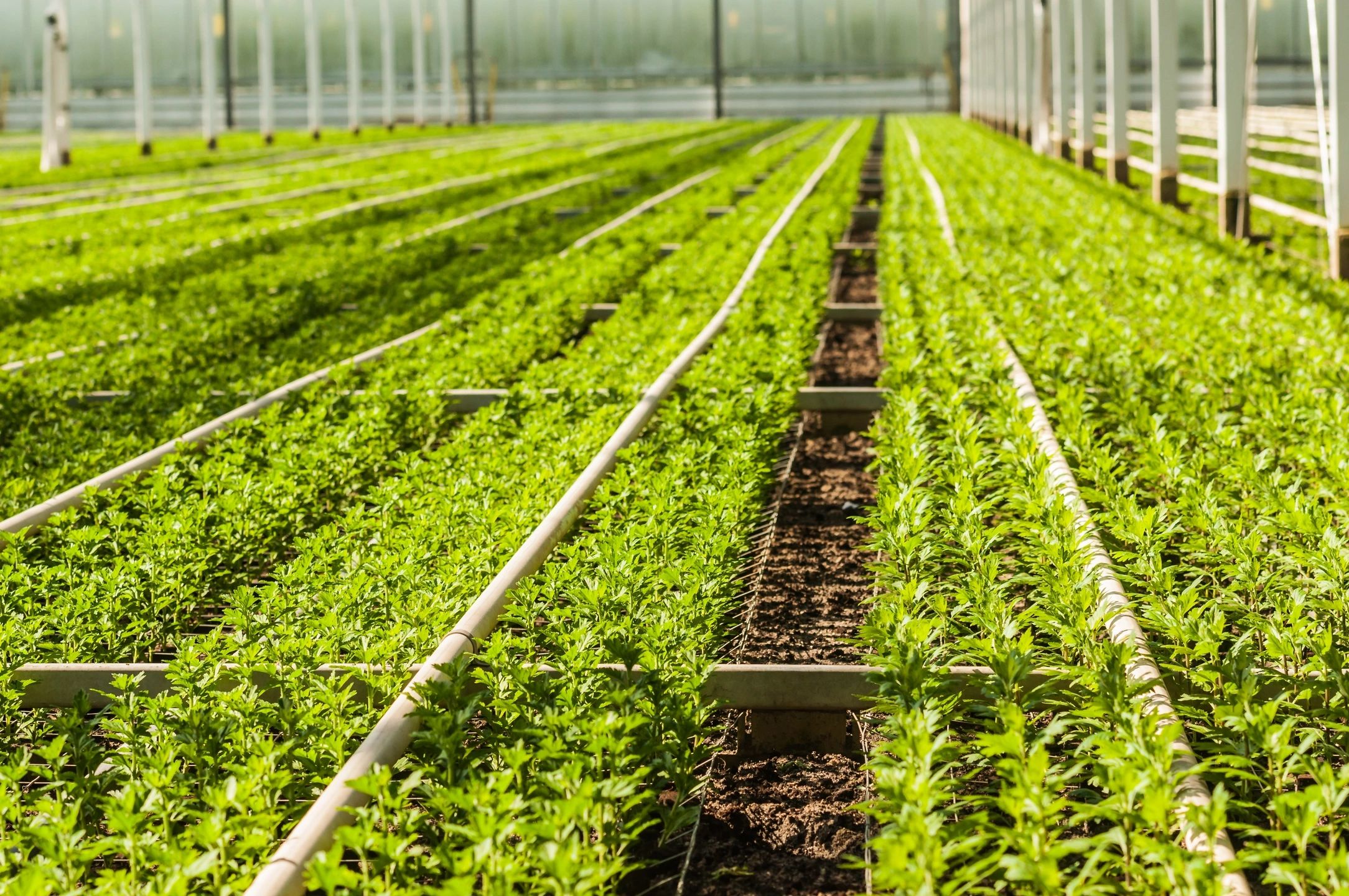
Picture a warehouse lit by purple LEDs. Stacks of trays filled with leafy greens, growing without soil. It looks more like a tech lab than a farm.
Here’s the big number: vertical farms can use 95% less water than outdoor fields. And Plenty, a company leading the charge, says its two-acre vertical farm grows as much food as 720 acres outdoors.
That’s wild. It means fresh produce in places where farmland is scarce or water is limited. Imagine basil grown in a New York warehouse or kale harvested from a Singapore high-rise. No cross-country trucking. No waiting for the right season.
Precision Irrigation
But not everything needs to move indoors. Out in open fields, IoT sensors are changing the game. Drop a few in the soil, and you suddenly know exactly how much water is needed, where it’s needed, and when.
Instead of flooding fields, farmers can be precise. Early pilots show 20–25% less water use without losing yields.
That’s the real story here: it’s not about using more. It’s about using smarter.
2. From Gut Instinct to Data-Driven Farming
Farming used to rely on intuition. Generations of know-how. A little luck with the weather. That worked when the margins for error were bigger. Not anymore.
Today, farming is becoming a data-driven science.
Sensors Everywhere
IoT devices are feeding farmers a steady stream of info — soil moisture, nutrient levels, plant stress. It’s like giving crops a voice.
And it’s not just large farms. In Kenya, smallholder farmers are using affordable sensors paired with AI apps that tell them when to irrigate or fertilize. Some have seen yields jump 30% because they’re no longer guessing.
AI as the Partner in the Field
Now add AI into the mix. Drones scan fields. Satellites capture images. Algorithms flag problems before the farmer even notices them.
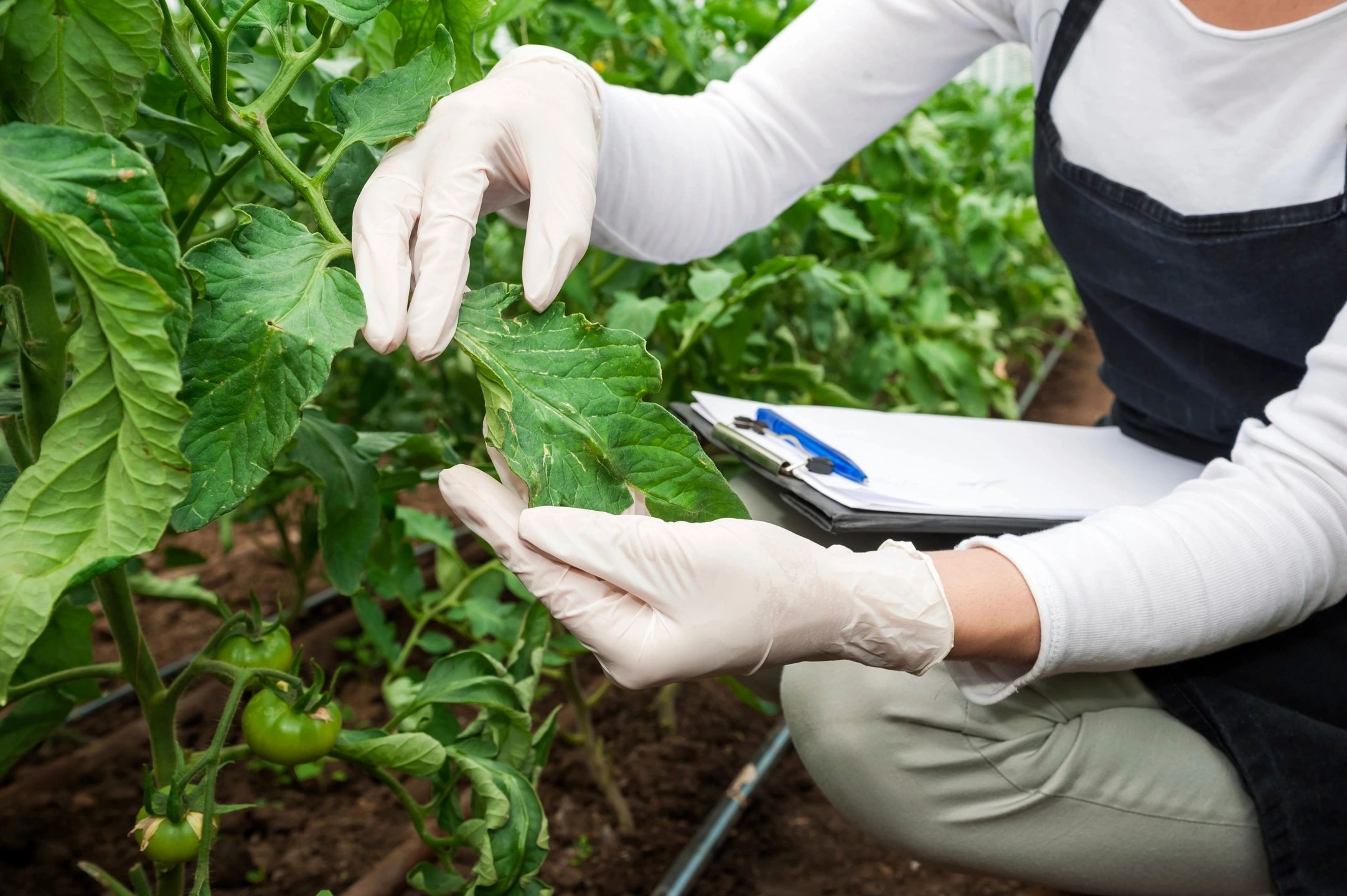
Some systems spot disease or nutrient deficiencies with 90% accuracy. That’s huge. Instead of reacting after damage is done, farmers can step in early and save the crop.
Even weed control is smarter. “See & Spray” robots use AI to target weeds instead of blasting entire fields with herbicides. Result? Up to 90% less chemical use. Better for the farm. Better for the planet.
This is farming that’s predictive, not reactive. And that’s a fundamental shift.
3. Building a Food System That Bends, Not Breaks
The past few years exposed just how fragile our food system really is. A drought in one place. Floods in another. Then a pandemic that shut down borders. Suddenly, shelves looked empty.
AgTech is helping build resilience.
Year-Round Growing
Vertical farms don’t care if it’s raining, snowing, or scorching outside. They run 24/7. Lettuce in December? Tomatoes during a drought? No problem.
In Singapore, where most food is imported, indoor farms are now part of national strategy. They’re a hedge against global disruptions.
Shorter Supply Chains
Growing food closer to eaters matters. Imagine strawberries picked a few miles from your city and on the shelf the same day. No trucks crossing three states. No waiting at shipping ports.
That means fresher food, fewer emissions, and fewer chances for the system to break.
Decentralization = Strength
AgTech doesn’t replace traditional farms — it adds layers of backup. By spreading out production, we lower the risk that one drought, one storm, or one trade issue will ripple through the entire system.
A decentralized food system is harder to break. That’s the point.
4. Giving Consumers the Story They Crave
It’s not just farmers who want better tools. Shoppers want more information too. People don’t just buy food anymore — they want to know the story behind it.
Traceability Matters
AgTech can track a crop from seed to shelf. IoT devices log every step. Blockchain makes the data tamper-proof. Some companies now print QR codes right on the packaging.
Scan it, and you’ll see where the food was grown, how much water was used, and even what the carbon footprint looks like.
Trust Builds Loyalty
Think about it. You’re standing in the store with two cartons of strawberries. One has a QR code that shows it was grown in a nearby vertical farm, using minimal water. The other has no information at all.
Which one do you trust more?
For producers, this transparency isn’t just marketing fluff. It’s how you win repeat customers in a crowded market.
So, What Can You Do Right Now?
Farmers and Producers
• Start Small: Try a few IoT sensors on one field. Let the data guide watering or fertilizer decisions. See what happens.
• Use Free Tools: Apps like PlantVillage let you snap a photo of your crops and get AI powered advice on disease or pests.
Consumers
• Choose Transparency: At the store, look for produce with labels or QR codes that tell you how it was grown.
• Experiment at Home: Grab a hydroponic kit or a smart plant sensor. It’s a fun way to see AgTech in action in your own kitchen.
Professionals and Investors
• Look for Impact: Don’t just chase buzzwords. Pay attention to companies showing measurable results — water saved, yields improved, chemicals reduced.
• Watch the Leaders: Vertical farming pioneers like Plenty, or drone-and-AI startups, are already shaping the market. Study them.
AgTech is wide open. Whether you’re growing food, buying it, or funding the future, there’s a way in.
The Future of Food Is Already Growing
Look around — food is being reimagined. LED-lit farms in warehouses. AI scanning fields for early signs of stress. Drones mapping soil health.
This isn’t “someday.” It’s now.
The benefits are obvious: more food with fewer inputs, shorter supply chains, fresher produce, and systems that hold up when things get tough. Most importantly, AgTech offers a path forward that doesn’t burn out our planet in the process.
Feeding 10 billion people is one of the biggest challenges of this century. AgTech isn’t the whole solution, but it’s a critical part of it.
Call to Action: Join the AgTech Revolution
The future of food isn’t coming. It’s here. The only question: where do you fit in?
Farmers: Start testing precision tools. Even one sensor can change how you run a field.
Consumers: Support brands that tell you where your food came from. If there’s a QR code, scan it.
Professionals & Investors: Dig into the companies solving real-world problems. They’re shaping markets and futures.
The way we grow and eat is changing. Be part of it.