Wellness Introduction: Rethinking Freshness
You check labels. You compare expiration dates. Maybe you even splurge on vitamins because you want to do right by your health.
However, the biggest health boost doesn’t usually come from something in a bottle or wrapped in plastic. Sometimes it’s as simple as an apple picked yesterday, still carrying the morning sun on its skin.
Think back for a second. When was the last time you bit into a tomato that actually stopped you in your tracks—sweet, tangy, alive? Or opened your fridge and saw greens so fresh they practically glowed? That experience isn’t just in your head. Local food really is different.
Supermarket produce often looks perfect under the lights, but the truth is it can’t compete with something grown nearby. The longer food travels, the more of its nutrients quietly slip away. Science shows it clearly: spinach can lose half its folate in just a week. Broccoli, half its Vitamin C. Every extra day on a truck or in storage is one less day of nutrients in your body.
So maybe the real question isn’t just what you eat—it’s how close it was grown.
The Nutrient Time Gap ⏳: Why “Fresh” Isn’t Always Fresh
Let’s start with something simple: apples.
The ones stacked in your grocery store might have been picked weeks, sometimes even months ago. They’re stored in controlled warehouses, treated to slow ripening, and hauled hundreds of miles before they land in that neat pyramid display. Compare that to an apple picked yesterday at a farm down the road. On the outside, they look the same. On the inside, they couldn’t be more different.
Nutrients are fragile. All of the nutrients, like Vitamin C, antioxidants, and folate, begin breaking down the moment a fruit or vegetable is harvested. Research from Cornell and the USDA shows just how quickly this happens. Spinach stored for one week can lose up to 50% of its folate. Broccoli, 50% of its Vitamin C. And that’s with refrigeration.
Let’s talk about what that means. You might be tossing spinach into a smoothie, believing you’re getting a nutrient-packed boost. In reality, you may already be down to half of what nature originally provided.
This isn’t a scare tactic. It’s a reminder that “fresh” isn’t always fresh. And the fix is straightforward: the closer your food is grown, the more of its natural medicine you actually get.
Beyond Carbon: How Local Food Protects Your Health and Your Community
When the topic of local food comes up, most people think of carbon footprints. Shorter supply chains, fewer trucks, less fuel burned. All true. But there’s a bigger story—one that hits closer to home: chemicals and water.
Take strawberries. They’re small, sweet, and beloved. But year after year, they sit at the very top of the Environmental Working Group’s “Dirty Dozen” list. Nine out of ten conventional strawberries tested carried residues from multiple pesticides. That breakfast smoothie you think of as pure might actually be carrying a chemical cocktail.
And the issue doesn’t stop at the surface of the fruit. Industrial farming is built on heavy chemical fertilizer use. When the rain comes, all those inputs don’t stay neatly in the soil—they wash into nearby streams and rivers. Over time, that runoff fuels nitrogen and phosphorus overloads, stripping oxygen from the water. The result? Expansive “dead zones” where little to no life can survive, like the massive one in the Gulf of Mexico.
Now, picture a smaller, diversified local farm. These growers rotate crops to keep the soil healthy. They add compost instead of pouring on chemicals. They manage water carefully because it’s a resource, not just a tool. Their aim isn’t only high yields—it’s balance. The difference shows up in cleaner water, richer soil, and healthier local ecosystems.
So when you choose local food, you’re doing more than feeding yourself well. You’re making a quiet investment in the health of your own community. Every dollar you spend close to home sends ripples through the land, water, and people around you.
The Power of Variety and Flavor ��: What Industrial Food Doesn’t Want You to Know Let’s talk about taste—because your taste buds can tell you more about nutrition than you think.
We’ve all had those supermarket tomatoes that look great but taste like… nothing. They’re bland, watery, forgettable. There’s a reason for that. Industrial crops are bred for toughness. They’re built to survive weeks of travel and arrive unbruised, not to taste amazing or pack nutrients.
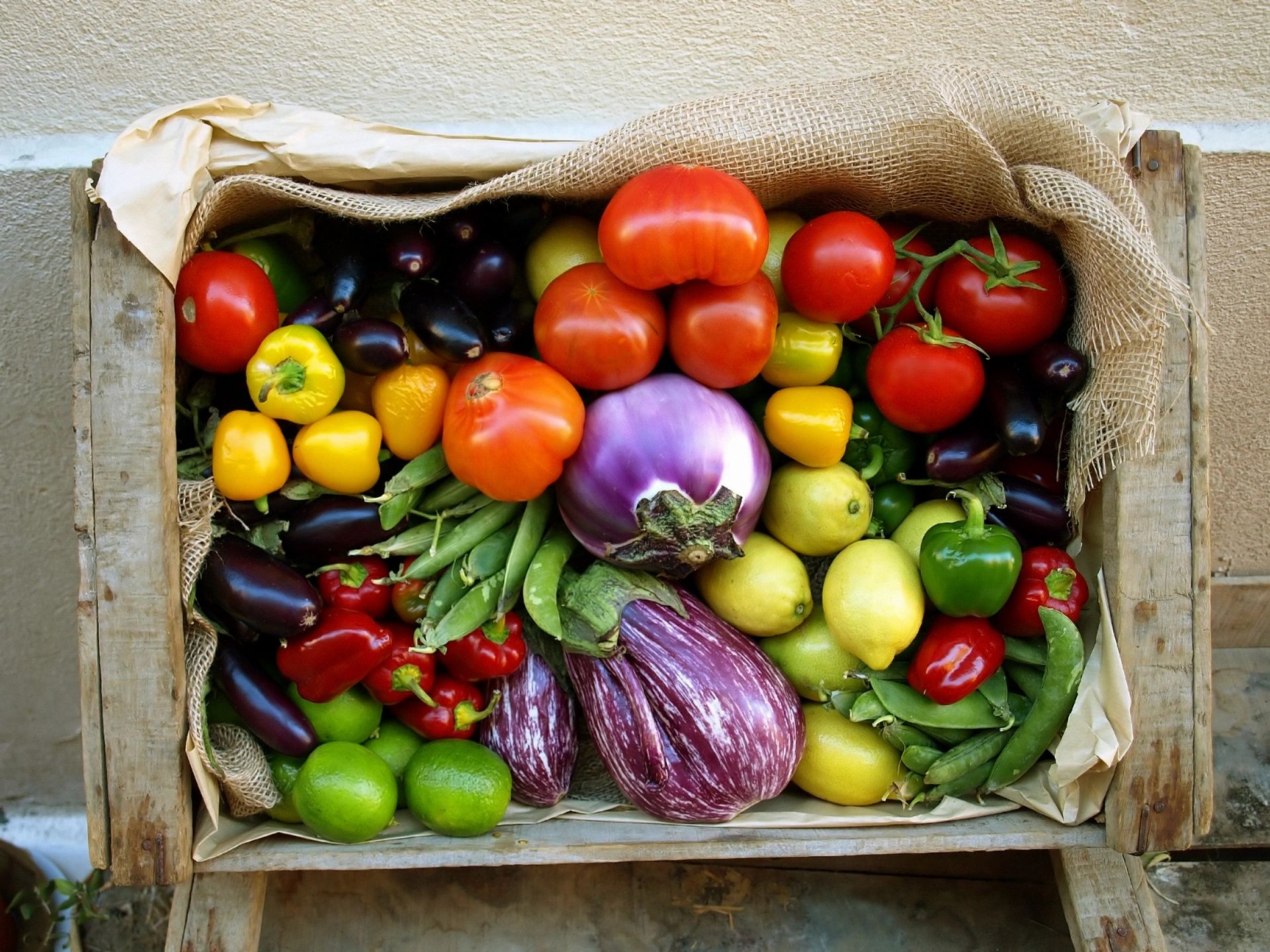
Local farmers don’t have to play by those rules. They can grow heirloom and indigenous varieties that are fragile in transit but rich in everything that matters. These tomatoes, apples, and peppers come in odd shapes and wild colors. And here’s the secret: those quirks are signs of genetic diversity. Each variety carries its own unique mix of phytonutrients—compounds linked to stronger immune systems, lower inflammation, even cancer prevention.
And then there’s the flavor. Local food often tastes so alive that it changes how we eat. A sun warmed tomato makes salads irresistible. A crisp local apple satisfies a snack craving better than anything from a box. Suddenly, “healthy eating” isn’t a chore—it’s something you crave.
Industrial food dulls our expectations. Local food wakes us up to what nourishment is supposed to be.
Community-Supported Health : CSA as a Wellness Commitment
Farmers’ markets are a great place to dip your toes into the world of local food. But if you’re serious about weaving it into your lifestyle, there’s something even more powerful: Community Supported Agriculture, or CSA.
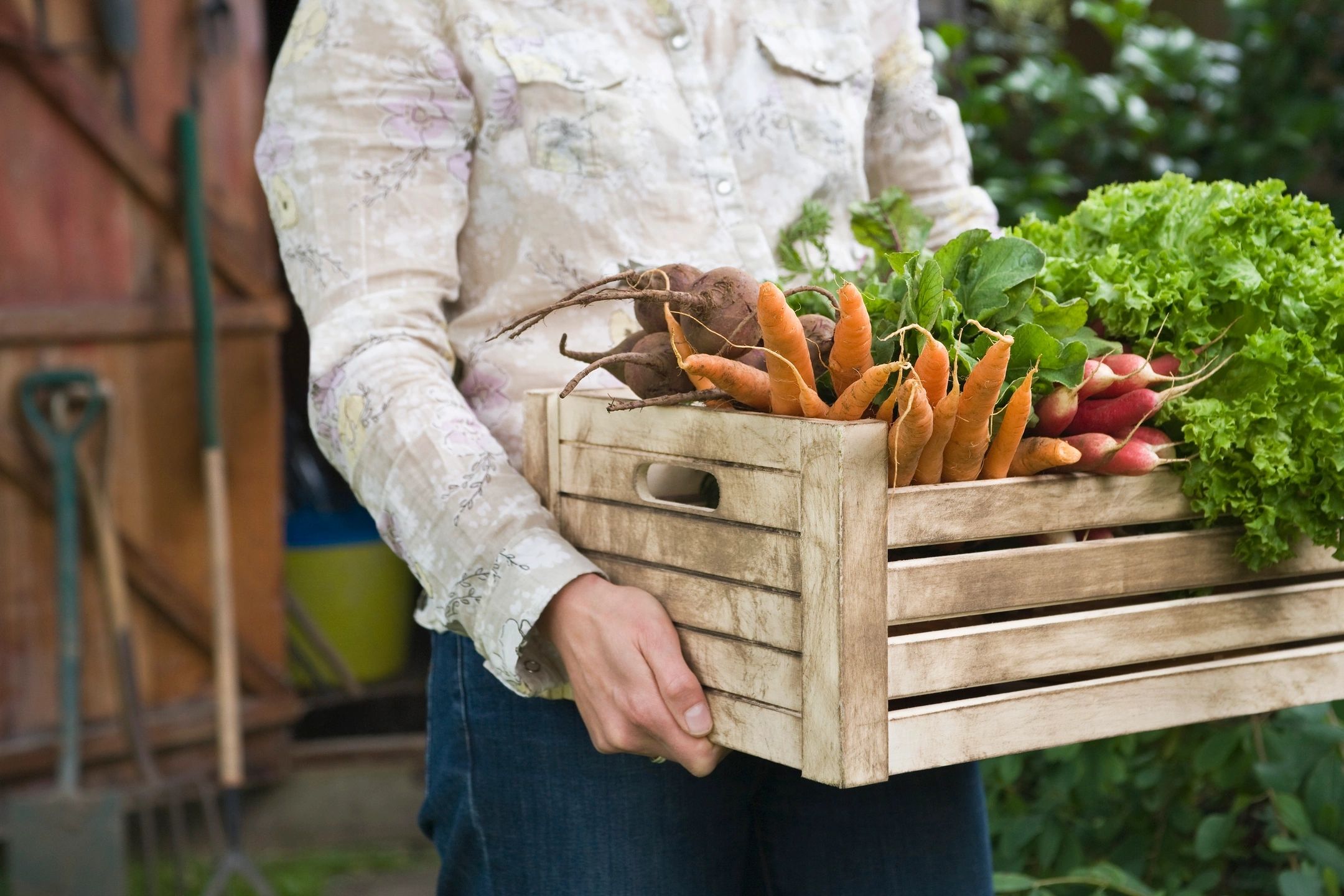
Here’s how it works. You buy a share of a farm’s harvest at the beginning of the season. In return, you receive a weekly box filled with whatever’s growing right then. Some weeks it’s heavy on greens, other weeks it’s bursting with squash or peppers. It’s the rhythm of nature, delivered to your door.
The economics are eye-opening. Through a CSA or direct market, farmers keep 80–90 cents of every dollar you spend. Compare that to the 15–20 cents they pocket when produce runs through conventional distribution. That money stays local. It pays farmhands, repairs barns, buys better equipment, and strengthens your community’s economy.
On the personal side, CSAs pull us out of food ruts. Maybe you’ve never cooked kohlrabi, or rainbow chard, or a certain type of squash. Then it shows up in your box. At first you’re stumped. Then you get curious. Soon it’s part of your regular meals. Without even trying, you’ve added diversity to your diet and nutrients to your body.
And let’s not ignore the joy. Opening a CSA box feels like unwrapping a gift from the season itself. You don’t just eat differently—you live differently. Meals turn into stories. You start to feel connected, not only to your food but to the land and people who make it possible.
Action Steps You Can Take This Week
Knowledge is useful. Action is better. Here are four ways to put these ideas into practice immediately:
1. The 50-Mile Filter Challenge
o At your next grocery trip, try buying three items grown within 50 miles.
o Better yet, hit a farmers’ market this weekend. Ask vendors: “When was this picked?” If the answer is “yesterday” or “this morning,” you’ve found the good stuff.
2. Commit to a CSA
o Search for a CSA near you and sign up for a trial month.
o It’s the simplest way to guarantee ultra-fresh, seasonal food while supporting a farm directly.
3. Use the Dirty Dozen/Clean Fifteen Strategy
o Spend your local dollars on the crops that matter most—those with the highest pesticide loads when grown conventionally (like strawberries, spinach, apples).
o Buy low-risk produce like avocados and onions at the store if you need to save money.
4. Talk to the Hand That Feeds You
o Ask farmers simple questions: “What practices do you use?” and “What’s in season right now?”
o These conversations build trust and deepen your connection to the food you eat.
Conclusion: Invest in the Local You
At the end of the day, eating local isn’t just about feel-good choices. It’s a health strategy. Every local purchase gives you more nutrients, fewer chemicals, and stronger communities.